
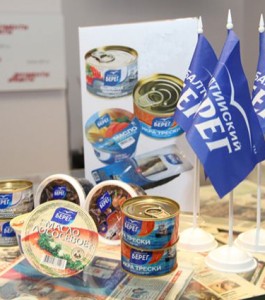
Baltic Coast salmon farming ops loses 100% of its fish.
February 11, 2016
Neil Ramsden
 Russian Salmon — which, along with its sister company Baltic Coast, is in bankruptcy proceedings — has lost all of its salmon, and is unlikely to have fish to harvest until 2018 at the earliest.
According to Russian news site Vedomosti, Baltic Coast director Anna Sheveleva confirmed that Russian Salmon had ceased farming, though she said it does plan to start again.
The company had to slaughter its fish ahead of schedule, after being hit by infectious salmon anemia, and Mycobacteriosis in 2015.
The company is, however, determined to buy fingerlings this year or next, said Russian Salmon executive director Pavel Tikhonov. According to him, the company had been farming 6,000 metric tons of fish; the company would not disclose the scale of the damage done by the diseases.
Rosselkhozbank insured the salmon, the company added. The plan now is for Russian Salmon to bring juvenile salmon in from Norway, in 2017 or even 2016, if it can find funding.
According to an Undercurrent News source in Russia, the fact that it has not purchased any smolt in 2015 means “the best scenario for Russian Salmon to get even RUB 1 in revenue, is in 2018”.
However, finding this funding may be difficult. Vedomosti noted that Baltic Coast may have lost as much as RUB 3 billion from the loss of its salmon while, according to Undercurrent’s source, Russian Salmon’s main creditor bank Rosselkhozbank has just posted 2015 year losses of RUB 50bn.
The aquaculture firm’s debt, combined with its lack of income for the future, is likely to spell the end, said the source, with Rosselkhozbank unlikely to want to take on additional debts at this point.
“That all of their [Russian Salmon’s] fish is out is no surprise,” a second Russian source toldUndercurrent. “I think this adventure is finished. Someone else should pick up what’s left of the company; they will never find working capital to continue.”
In the financial year 2014, Russian Salmon farmed 5.2 million salmon, worth RUB 1.9m, according to its results, the firm said in a statement. Almost all of this goes to Baltic Coast for the production of value-added products.
Sheveleva did not respond to request for comment.
In November 2015 Undercurrent reported sources felt Baltic Coast could struggle to return from the voluntary bankruptcy position it had entered.
The firm had put its aquaculture division, Russian Salmon, up for ‘chapter-11 style’ bankruptcy, in a bid for respite and time to carry out a financial restructuring, Baltic Coast director Anna Sheveleva said.
However, two sources based in Russia told Undercurrent that local media has reported the whole group – Russian Salmon and the value-added processing parent, Baltic Coast – has filed for bankruptcy.
They also said that this type of bankruptcy arrangement is unusual for Russian businesses, and that they do not expect the firm to survive it.
“I would be surprised if any of the main creditors would take losses on their outstanding to keep them alive; that would set precedent for the banks,” said Undercurrent’s second source, speaking in 2015.
“If they do they will need to refinance again to start up the business, and nobody will finance people who have gone down and have had disagreements between shareholders. The most likely outcome is that they will go down.”
